Stop Borrowing Dave’s Cab: The UK Underground Needs a Backline Pool
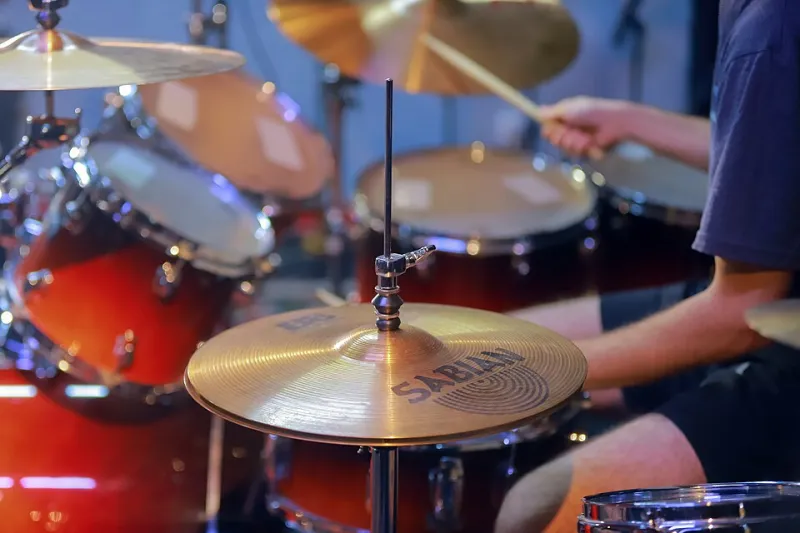
Photo: Mostafameraji, CC BY 4.0, via Wikimedia Commons
You know the drill. It’s 5pm, the doors are at 7.30, and band three is asking whether anyone has a spare speaker lead. Band four’s bass head has died with a sad little pop. The drummer’s kick pedal is in a bag in Leeds. Someone is ringing Dave. Dave is always the one with the good cab, the spare pedalboard and a van, and Dave is, quite frankly, knackered.
The borrowed-amp economy is one of the best things about the UK underground. It is also one of the most fragile. It runs on goodwill, WhatsApp voice notes and the assumption that somebody else will remember the speakon cable. That is not a system. It is a series of small favours stretched until something blows.
The maths of borrowed gear
Backline is heavy, expensive and boring. A half-decent bass rig, a guitar cab that can actually move air, a drum kit with all its hardware — none of it is cheap, and all of it is a pain to move. When every band on a four-band bill brings a full rig, you get more vans, more fuel, more parking fines, more ULEZ charges and more rushed load-ins through narrow pub doors. When nobody brings a full rig, you get the current mess: a house kit made of whatever the promoter could blag, a backline held together with gaffer and hope, and a changeover that eats the night.
The answer is not “everyone buy better gear”. The answer is not “the venue should provide everything” either — most venues are skint. The answer is a local backline pool: a shared inventory of the heavy, standard stuff, held by a collective, a rehearsal room, a venue or a small group of bands, and lent out on clear terms.
What a pool actually is
A backline pool is not a hire shop. It is not a business. It is a commons with a sign-out sheet. The core inventory is deliberately dull: drum shells (kick, toms, floor tom) with hardware, a couple of bass cabs and heads, guitar cabs, stands, DI boxes, a power distro, and a spares box with fuses, gaffer, spare cables and a few tools. Maybe a workhorse combo. Maybe a second snare. The point is to remove the heavy, expensive, breakable essentials, not to remove character. Bands still bring their own cymbals, snare, pedals, guitars, basses, sticks and in-ears. The pool handles the stuff that makes you buy a van.
It works best when it is local — a lockup in Sheffield, a room above a pub in Bristol, a container behind a rehearsal studio in Leeds, a corner of a Camden basement that doesn’t flood. It works best when it is small enough that everyone knows who has the good kick pedal and who definitely doesn’t.
The rules of the shed
The etiquette is the whole thing. Get it wrong and the pool becomes a shed full of broken gear and resentful people. Get it right and it quietly saves everyone money.
Booking, not vibes. A shared calendar, a whiteboard or a spreadsheet. If you need the drum shells for Saturday, you book them. You don’t message at 4pm on Friday and hope.
A small deposit. Twenty quid or a signed form. Not to make money — to make people care. It gets returned when the gear comes back clean and complete.
Sign-out. Who has what, where it is, when it is coming back. A notebook is fine. A spreadsheet is better. A group chat is not a record.
Clean it before return. Gaffer residue, spilled pints, dust from the van floor. If you wouldn’t want to play through it, don’t hand it back.
Report faults immediately. Do not “just turn it up” if it’s crackling. Do not put a blown cab back in the shed without a note. The next band deserves to know.
You break it, you fix it — within reason. Wear and tear is real. A speaker that dies after ten years of service is not the same as a snapped jack from a careless load-in. The rule should be “you break it, you fix it or you contribute to the repair”, not “you break it, you bought it”. The second rule stops people using the pool at all.
No sub-lending without a message. If you lend the bass head to another band, tell the group. Otherwise the trail goes cold and the gear goes missing.
Everyone does a shift. Inventory night. PAT testing. Storage clear-out. It is not glamorous, but it is the price of not paying hire-shop prices.
The boring bits: storage, insurance and PAT
Storage is the make-or-break. Damp kills amps. Security matters more than square footage. A lockup on an industrial estate, a shipping container with a dehumidifier, a dry room above a pub — all can work. Keys should be held by three people maximum. If everyone has a key, no one is responsible.
Insurance is the question nobody wants to ask until a van gets broken into. The pool needs contents insurance, and the organisation holding it needs public liability. Check whether bands are covered when they borrow gear — some venue policies cover equipment on site but not in transit, and almost none cover a borrowed cab in the back of someone’s mate’s estate car. This is where a small membership fee helps: £5–10 per band per month, or a whip-round at gigs, creates a float for repairs and insurance. It is not a business. It is a buffer.
PAT testing is the dullest word in the scene and the reason some venues will let you plug in without a fight. Annual testing, stickers, a log. Fire regs matter too: don’t stack cabs in front of exits because the shed was full. Keep a clear walkway. Label the cases.
Why this is a scene issue, not a gear issue
A backline pool lowers the barrier for new bands who don’t have a van or a grand to drop on a rig. It shortens changeovers, which means bills can stay weird without the night collapsing. It reduces the number of rushed, dangerous load-ins through crowded rooms. And it builds trust: the pool is a social contract, and a scene that can share a drum kit can probably share a bill, a practice room and a few honest words about a bad set.
The alternative is what we have now: a thousand Daves, each with a cab, each getting tired. Dave deserves a night off. So does the scene.
Start small. One lockup. One drum kit. Two cabs. A spares box. Write the rules on the wall. Test it for six months. If it works, tell another city. If it doesn’t, learn why. The UK underground doesn’t need a hire shop. It needs a commons with a sign-out sheet and a decent dehumidifier.