Pocket the Phone, Not the Proof: The Uneasy Case for a Camera-Free Pit

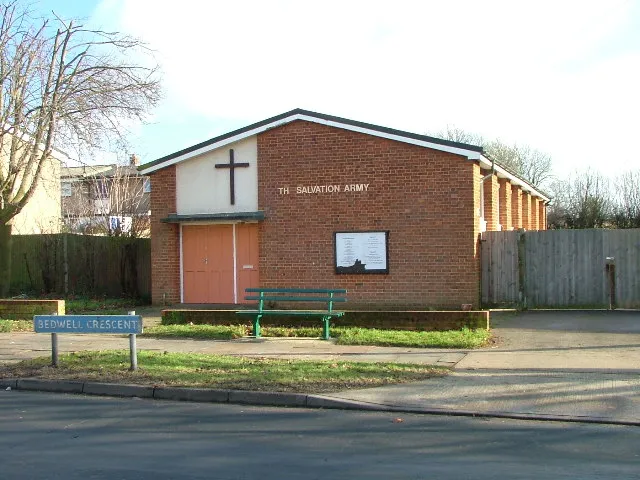
Photo: Steven Lek, Public domain, via Wikimedia Commons
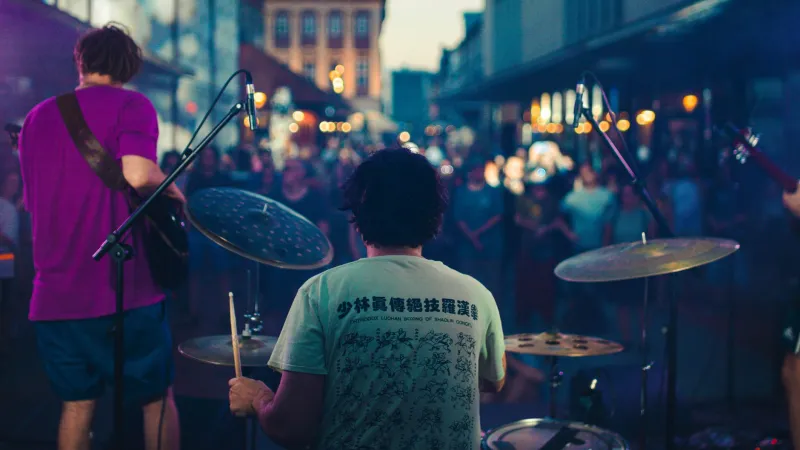
The first time I saw a phone pouch at a UK underground show, I felt a weird rush of relief. No screens held up during the first song. No one filming the breakdown like a tourist at a zoo. Just a room full of people looking at a band. For about twenty minutes, it felt like a small victory for presence.
Then someone needed to check a message about a lift home, and the spell broke. A steward had to unlock a pouch. The queue at the door got longer. A disabled gig-goer I know asked whether they would be exempt, and nobody had a clear answer. The policy was not evil. It was just unfinished.
That is the tension running through the phone-free pit in 2026. The impulse is right. The execution is where DIY gets messy.
The pit is not a content farm
Let us be honest about why this conversation exists. A lot of phone use at gigs is not documentation. It is performance. It is the slow pan across the crowd, the flash-lit selfie in the mosh pit, the clip filmed for the algorithm rather than the archive. It turns the room into a backdrop and the band into content.
A camera-free pit can interrupt that. It can make people look up. It can protect the atmosphere from the low-grade anxiety of being filmed. It can stop the weird dynamic where the crowd watches the gig through a screen and the band watches the crowd watch themselves.
But there is a difference between reclaiming presence and romanticising ignorance. The underground has always documented itself. Fanzines, disposable cameras, badly dubbed tapes, grainy photos pinned to bedroom walls — that is not new. The phone is just the latest tool. Pretending that all filming is vanity is a bit rich from a scene that has spent decades mythologising its own history.
Documentation is access
Here is where the phone-free policy gets complicated. Not everyone can be in the room. Clips and photos are how disabled fans, isolated fans, and people who cannot travel to a Tuesday night gig in Leeds remain part of the conversation. Documentation is access. It is also how small bands get footage for future bookings, how promoters prove the night happened, and how a scene remembers itself without a label budget.
A blanket ban can become a gatekeeping exercise. Who gets to document? The official photographer? The promoter's mate? The band's chosen videographer? If the answer is always the same handful of people, the archive gets narrower, not purer.
So the question is not 'phones or no phones'. It is 'who gets to record, under what conditions, and with whose consent?' That is a DIY business question as much as a cultural one. It affects how bands promote themselves, how venues manage risk, and how crowds behave.
Safety is not a photo op
There is also a safety argument, and it is not trivial. Phones can light up a corner where someone is being harassed. They can film a fight instead of stopping it. They can turn a vulnerable moment into a clip. A clear photo policy can give stewards a tool to intervene, and it can give punters a reason to put the camera down and look after each other.
But enforcement can go wrong fast. Searching people at the door, locking away their property, and policing the crowd can make an underground gig feel like an airport. The scene does not need another authority figure. It needs house rules that people understand and consent to.
A policy, not a police force
The best version of this is not a moral test. It is a practical agreement. Say it on the poster. Put it in the door talk. Offer pouches, not mandates. Allow exceptions for medical needs, caring responsibilities, and access requirements. Let artists choose their own policy and make it clear before tickets go on sale. Use a designated photographer with artist approval. Ask the crowd to keep filming to the back, no flash, no filming people without consent.
None of that is perfect. The underground is not good at perfect. It is good at making it up as it goes along and correcting course when something breaks. A phone-free pit should be the same: a trial, not a doctrine. If it makes the room better, keep it. If it makes the room smaller, change it.
The pit belongs to the people in it
The real question is whether we can reclaim the mosh from the camera roll without turning the crowd into suspects. I think we can, but only if the policy is built around care rather than control. Presence is not a rule you enforce. It is a culture you practise.
So pocket the phone, not the proof. Protect the pit, but protect the people in it too. And if someone needs their phone because their life does not pause at the door, let them keep it. The underground should be big enough for that.