The T-Shirt Funded Tour: How UK Underground Bands Are Turning Merch Tables Into 2026 Fuel
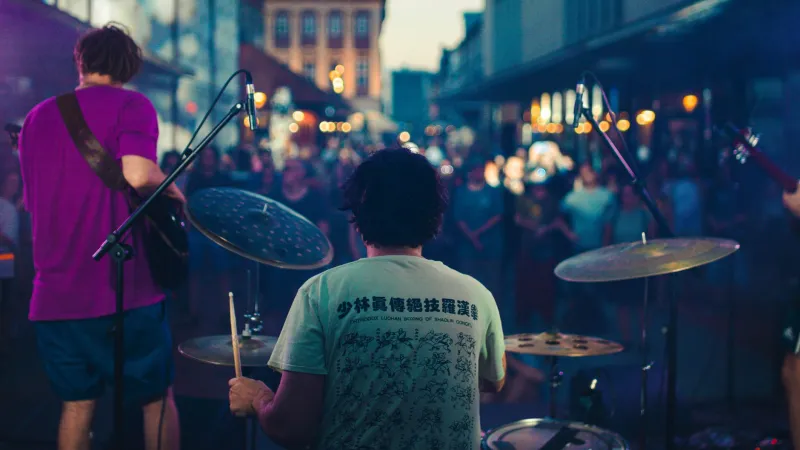
Merch has always been part of the underground, but in 2026 it is closer to the engine than the decoration. With streaming income hovering somewhere between a joke and a rounding error, UK bands are building tours around the table at the back of the room: small-run shirts, tour-only tapes, patches, zines, and Bandcamp drops timed for payday.
The streaming cheque is not a tour budget
A few thousand streams might buy a round. A hundred thousand streams might cover a tank of fuel if you are lucky and the split is kind. The maths is not mysterious. Most DIY bands know that the money from streaming is not going to pay for the van, the rehearsal room, or the night in a Travelodge off the M6. What pays is a shirt that costs six quid to print and sells for twenty-five.
That is not a complaint about streaming. It is just the reality of the current economy. The bands who are touring in 2026 are the ones who treat merch as infrastructure, not an afterthought.
Small runs, fast turns
The old model was to print a hundred shirts and hope. The new model is to print thirty or forty, sell them, and reprint if the demand is there. Small-run screen printing has got easier and cheaper, especially if you are happy with one colour on a decent blank. A local printer in Sheffield or Manchester can turn around a short run without asking for a second mortgage. The design can be rough. The shirt can be simple. The point is to have something that people want to wear, not a walking billboard for a band they have never heard of.
Tour-only designs are doing a lot of work here. A shirt that is only available on the road, or only for a week online, gives people a reason to buy now. It also makes the table feel like part of the tour, not a leftover from the last one. A tape with a hand-stamped cover. A patch with a joke on it. A zine that collects the tour diary. These are not gimmicks. They are the things people take home when they cannot take home the night itself.
The awkward maths of the table
The merch table is not a free pass. Venues taking a cut of merch sales is still a sore point in 2026. Some rooms ask for ten per cent. Some ask for twenty. Some do not ask at all, and those are the ones bands remember. If you are a promoter, think about what that cut does. A band selling £200 of merch is not making £200. They are making £200 minus printing, minus the venue cut, minus the card fees, minus the friend who is running the table for free.
Bands are getting better at the maths. They bring a float. They bring a card reader. They list what they have on a sheet and cross it off. They price clearly. They do not make people ask. They put a QR code on the table for the Bandcamp page, because someone will always want the record after they have had a pint.
What the successful tables have in common
A Bristol post-metal trio recently did a nine-date run with forty shirts, fifty tapes and a handful of screen-printed patches. They sold out of the shirts by the sixth night. They could have sold more. The lesson was not to print a hundred next time. The lesson was to print sixty and take a second design.
A Glasgow hardcore band made a tour-only flexi with a fanzine and sold it as a bundle. It was cheap to make, easy to carry, and gave people something to talk about. A Manchester doom outfit leaned on patches and long-sleeves because their audience already owns enough black t-shirts. The common thread is not the product. It is the planning. The table is treated like a setlist. It is thought about before the tour, not during it.
For promoters: make the table work
If you are putting on a show, the merch table is part of the night. Give it light. Put it near the door, not in a dark corner behind a speaker. Do not schedule a band during the changeover if you want people to buy. Announce from the stage that the table exists. If you can afford to waive a commission, waive it. If you cannot, say so upfront. Bands talk to each other. They remember who treated the table like a partner and who treated it like a tax.
For bands: build the table before you need it
Order early. Test the print. Get the sizes right. Bring a friend who can run the table while you load out. Keep a mailing list sign-up, because the person who buys a shirt is the person who will come to the next show. Do not wait until the tour is booked to think about merch. The shirt is not the souvenir. It is the fuel.
The merch table is not the new record deal in a cynical sense. It is something better. It is direct. It is a conversation between a band and the people who actually turned up. In 2026, that conversation is keeping the van on the road. No gods, no masters, just a decent shirt and enough petrol to get to the next city.