Hallowed Ground: Inside the All-Ages Church Hall Circuit Reshaping UK Underground Gigs
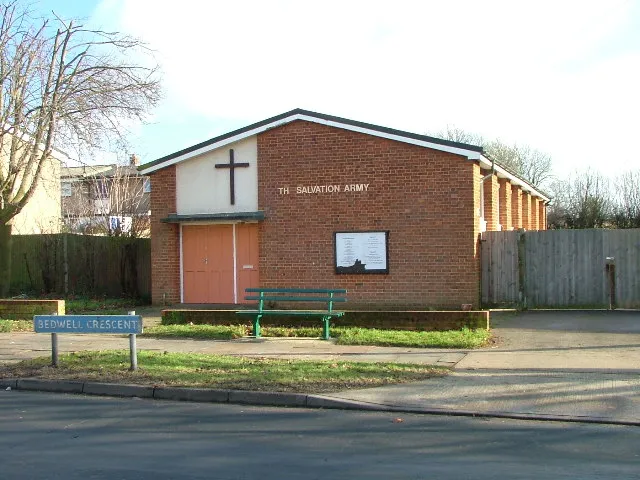
Photo: Robin Hall, CC BY-SA 2.0, via Wikimedia Commons
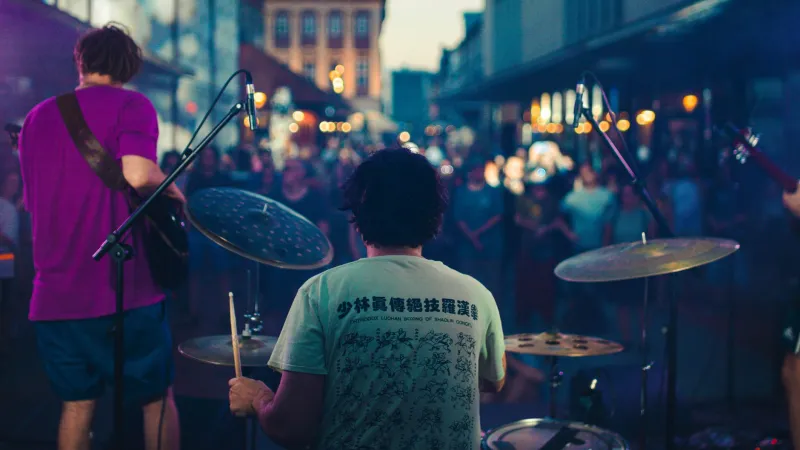
On a Saturday afternoon in 2026, a church hall in a post-industrial town somewhere off the M62 smells of floor polish, instant coffee and feedback. There is an urn, a stack of stacking chairs, a borrowed PA and a hand-painted banner behind the drum kit. Three bands are playing. The door take is a fiver. Nobody is checking ID against a bar tab because there is no bar. And at the front, a row of fifteen-year-olds are seeing their first proper punk show without needing a parent, a fake birthday or a pub that quietly tolerates them until 9pm.
This is the church hall circuit. It is not new, exactly, but in 2026 it is becoming the practical answer to a problem the UK underground has been moaning about for years: the pub backroom is increasingly a closed door for younger crowds. Licensed venues need wet sales, Challenge 25 policies and a business model that treats a room full of under-18s as a liability rather than an audience. All-ages rooms offer something different. Not always better, not always easier, but different — and increasingly essential.
The room with no bar tab
The economics of the pub backroom are simple. The promoter gets a corner, the venue gets drink sales, and everyone hopes the noise doesn't upset the regulars. But that model assumes the crowd can legally buy a pint. For a sixteen-year-old metal fan, it doesn't matter how good the bill is if the door policy says no. For a promoter, it doesn't matter how good the band is if the venue won't let them play to their own mates.
Church halls, youth centres, community centres and scout huts flip the equation. Hire is often cheaper than a pub function room. Capacity is usually smaller — anywhere from 60 to 150 — which suits a scene that would rather pack a room than rattle around a half-empty club. Alcohol-free policies remove a chunk of licensing complexity and make the space genuinely open to younger audiences, as well as people who don't drink for whatever reason. The catch is that the money has to come from tickets and merch rather than the bar. That means promoters have to be honest about costs, realistic about capacity and ruthless about not overpromising.
Licensing is not the enemy — vagueness is
DIY promoters often talk about councils as if they are the enemy. In practice, the enemy is turning up three weeks before a show with a vague plan and hoping nobody asks questions. All-ages events involve a different set of considerations: fire exits, stewarding, first aid, public liability insurance, safeguarding policies and a clear understanding of what the venue's own licence allows. If alcohol is involved, the rules change again. Many promoters simply choose dry events because it keeps the focus on the music and removes a layer of risk.
The promoters making this work tend to be the ones who talk to the venue and the council early. They provide a risk assessment without being asked. They set a hard curfew. They explain how the door will be staffed, how under-18s will be safeguarded and how the building will be left. They invite the licensing officer to the first show. They keep a paper trail. It sounds boring, and it is, but it is also how a one-off church hall gig becomes a reliable monthly night.
Volunteer door staff are part of that trust. At alcohol-free events, you are not running a nightclub door; you are running a community event. That means checking tickets, counting capacity, knowing who is responsible for what and having a named person who can talk to the venue if something goes wrong. It also means not working the same five people into the ground every month.
The bands choosing the 6pm load-in
For younger bands, the all-ages circuit is often the first real gig that isn't a school assembly or a battle of the bands in a sports hall. A 6pm load-in and a 9pm finish is not a compromise; it is a route into the scene. Bands can play to people their own age, sell cheap merch to kids who actually care, and build a local following without relying on a parent to drive them to a city centre venue at 11pm.
That early curfew changes the atmosphere. There is less churn at the bar, fewer people talking through sets and more of a feeling that everyone is in the room for the same reason. The pit might be smaller, but it is often more focused. The merch table might take less money per head, but the people buying are the next generation of the scene. Promoters who understand this programme accordingly: shorter sets, tighter turnarounds, cheap advance tickets and a clear finish time that respects the venue's neighbours.
The volunteer economy
The church hall circuit runs on people who are not getting paid. Door rota, stewarding, merch, sound, cleaning, promoting, collecting the float. It is easy to burn out a collective by letting the same two people do everything. The nights that last are the ones that share the load, write things down and treat the volunteer crew like a team rather than an infinite resource.
Transparency helps. Bands should know what the door split is before they load in. Venues should know who is responsible for what. Volunteers should know when their shift ends. None of that kills the DIY spirit. It just stops the spirit from collapsing under a pile of unwashed mugs and unanswered emails.
What could go wrong
A lot. A noise complaint from a neighbour. A insurance certificate that doesn't cover the activity. A safeguarding issue that was never discussed. A hall committee that gets cold feet after one messy night. The all-ages circuit is not a loophole; it is a relationship. One bad event can close a room for good.
That is why the good promoters are obsessive about the boring stuff. They finish early. They keep the street clean. They don't let glass onto the floor. They communicate with residents. They leave the hall better than they found it. They understand that the first show is an audition for the next twenty.
The pub backroom still matters. It is where plenty of us learned to love this noise. But if the UK underground wants a future, it needs rooms where the future can actually get in. The church hall circuit is not nostalgia. It is infrastructure. Treat it like it matters.
System of Hate is not here to tell you how to run your night. But if you are putting on all-ages shows in 2026, know your capacity, know your licence, know your volunteers and know your neighbours. Then turn it up.