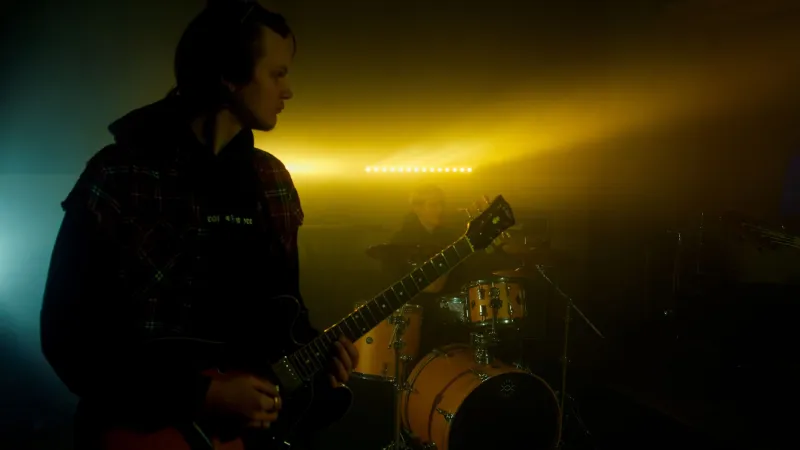
Publish the Steps: Why Access Info Belongs Next to the Lineup on Every UK Underground Listing
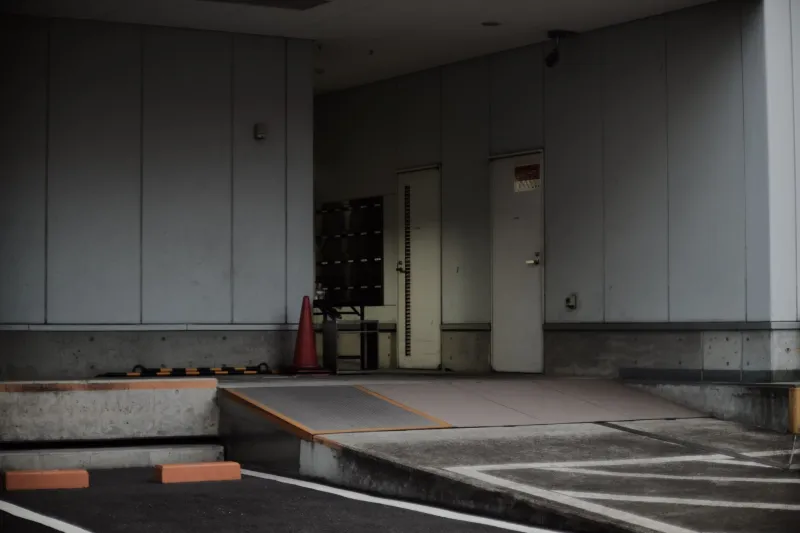
Walk into a pub back room in Leeds on a Thursday and you can usually clock the sound desk, the merch table and the fire exit within ten seconds. What you cannot clock is whether there is a step-free route to the loos, whether the raised bit by the window is reserved for anyone, or whether the door staff will let your mate in with a carer’s ticket without a debate. That information is rarely on the listing. In 2026, that is not a quirky feature of DIY gigs. It is a gate built out of silence.
The Problem Is Not Always the Building
Nobody is asking every railway arch and church hall to become a fully accessible arts centre overnight. Old buildings have old bones. Stairs happen. But there is a difference between a venue that has limits and a promoter who hides them. The first is a practical problem. The second is a door policy.
Most of the access failures in the UK underground are not dramatic. They are administrative. A listing says “doors 7pm” and nothing else. A promoter assumes the venue is accessible because nobody has complained yet. A venue crew assumes the promoter has checked. A fan turns up, sees a narrow staircase and a crowd already filling the floor, and decides not to make a fuss. That decision is the scene losing a punter for good.
An access consultant who works with small venues — call her Rachel — puts it bluntly. “The majority of the fix is communication. Step-free route, accessible toilet, viewing area, PA ticket policy. Four lines on a listing. That is not a renovation. That is a sentence.”
Four Lines That Change the Night
The first line is the route. Not “accessible” as a vague badge, but what the actual way in looks like. Is there a step-free entrance? Is it round the back? Does it involve asking a member of staff? Is there a lift or is it stairs all the way? If the answer is stairs, say so. Honesty is not exclusion. Silence is.
The second line is the toilet. If the accessible loo is locked, used as storage or up a separate flight of stairs, people need to know before they buy a ticket. That is not an overshare. That is basic trip planning.
The third line is the viewing area. A reserved corner does not need barriers and a clipboard. A strip of tape, a sign and a conversation with the regulars can do it. What it needs is intent. If the only place to see the band is a packed floor with no sightlines, say that too. Some people will still come. Some will bring a friend and stand near the back. But they will come knowing what they are walking into.
The fourth line is the door policy. Personal assistant tickets should be free, and that should be written down. No one should have to explain their existence to a door steward who has not been briefed. No one should be asked for medical proof at a gig. A PA ticket is not a favour. It is part of the ticket price.
The Door Is a Policy, Not a Personality
Door staff get a lot of grief in this scene, and most of it is unfair. They are often the last people to hear about anything. If a promoter has not told them that a carer’s ticket is valid, they will default to the door list. If the door list does not mention access, they will improvise. Improvisation at a door is how disabled fans end up explaining their bodies to a stranger while the first band starts.
Brief the door. Put the access info on the door list. Make sure the steward knows who to call if there is a problem. That is not corporate box-ticking. That is the same as telling them where the merch float is or which band is loading in late.
DIY Does Not Mean Do-Nothing
There is a reflex in the UK underground to treat access as a venue problem, a council problem, a big-promoter problem. Fair enough. Nobody wants a lecture. But the scene is already good at making a lot out of very little. A PA policy costs nothing. A line on a listing costs nothing. A reserved corner costs a bit of tape and a two-minute conversation. A step-free route might cost a phone call to the venue to confirm which door actually opens.
That is the work. It is not glamorous. It will not get you a photo pit. But it is the difference between a scene that says it hates gatekeeping and one that keeps building gates out of staircases.
The UK underground does not need every basement to become a lift-served arts venue. It needs promoters to publish the steps, name the contact, and trust people to decide for themselves. If the door is the reveal, then the listing should be the map. In 2026, that is the bare minimum. And it is still DIY.