The Clock Is on the Bill: How UK Underground Gigs Are Learning to Beat the Last Train
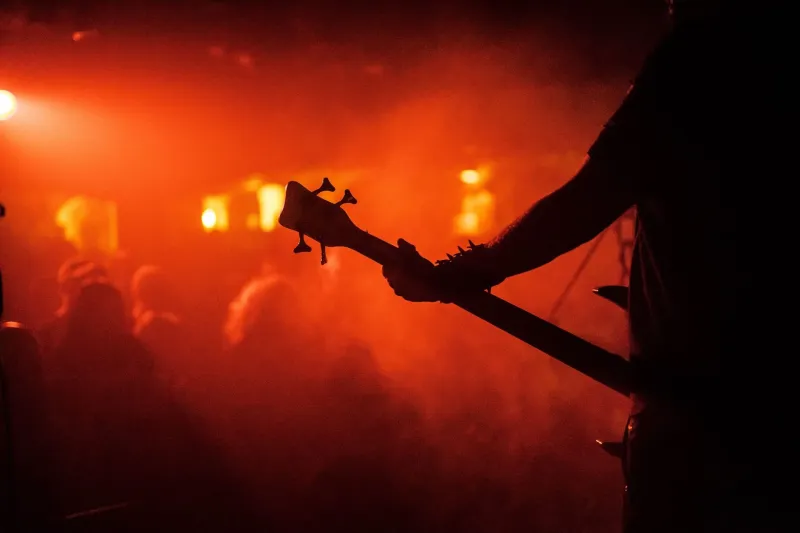
There is a very specific sound in a UK underground venue at 10:42pm on a Saturday: a headliner finally hitting their stride, a room half-committed to staying, and a dozen people quietly checking train times on their phones. It is not the sound of a scene in crisis. It is the sound of a scene doing maths.
In 2026, that maths is getting harder. Venue curfews have tightened, staffing costs have climbed, and the last train out of most city centres remains a merciless thing. For DIY promoters, the clock is not a footnote on the poster. It is the invisible fifth band on the bill, and it does not do encores.
The curfew is only the visible edge
It is easy to blame the venue. The 11pm curfew is the obvious villain, the clipboard-wielding adult in the room. But most promoters will tell you the curfew is just the line where a dozen other pressures become visible. The real problem is often the 11:47pm train, the bus that stops running at midnight, the friend who drove and is now responsible for four people, or the babysitter who was booked until 12.
A curfew does not just cut the end off a gig. It reshapes the whole night. Doors at 7pm, four bands, a headliner at 10:30pm and a room that starts draining before the final riff — that is not a failure of commitment. It is a failure of scheduling against real life.
One Bristol promoter puts it plainly: the gig has to work for the people who have to leave, not just the people who can stay. That sounds obvious. In practice, it means building a bill backwards from the last transport, not forwards from the first band's availability.
When the headliner becomes the interval
There is a familiar pattern on UK underground bills. The opener plays to the faithful. The second band plays to the room at its fullest. The third band plays while half the crowd is at the bar or outside smoking. The headliner plays to the people who live locally, drove in, or have nowhere to be on Sunday morning.
That pattern is brutal for band pay. If the headliner is the draw but the crowd has already thinned, the night's economics collapse. Door splits get ugly. Promoters take the risk. Bands travel home with less than they hoped. And everyone promises to do better next time without changing the structure that caused it.
Earlier sets are the most obvious fix, but they require a cultural shift. A 9pm headliner is not a downgrade. It is a recognition that the underground is not a late-night monoculture. Some of the best gigs in the country happen at 8:15pm on a Sunday and finish before the last bus turns into a pumpkin.
Earlier sets are not a compromise
The practical fixes are not glamorous. Publish stage times in advance and stick to them. Put the band people most want to see on earlier. Cut the changeover times. Use a host or DJ between sets instead of dead air. Book the venue near the station, not just near the promoter's flat. Tell people which train to get. Ask the local taxi firm about a shared pick-up point. Coordinate with the venue on cloakroom capacity so people are not queuing at 10:55pm.
None of that kills the spirit of the thing. It just stops the spirit of the thing from being stranded in a retail park.
All-dayers are another answer, and not just for festivals. A Saturday afternoon into early evening bill can carry more bands, more local food, and more room for people who cannot do late nights. The format is not nostalgia for a past era. It is a practical response to a present one. The risk is real — an all-dayer needs a bigger crowd and a longer attention span — but when it works, it turns the clock from an enemy into a structure.
Treat the clock like a band member
The uncomfortable truth is that the UK underground has spent years treating curfews as an afterthought. We book the bill we want, then hope the night fits around it. In 2026, that hope is expensive. A gig that ignores the last train is a gig that asks its audience to choose between the music and the way home. Eventually, some of them stop choosing the music.
The scene's survival does not depend on pretending the clock is not there. It depends on putting it on the bill. Plan for the last train. Put the headliner on earlier. Tell the crowd the times. Share the transport info. Accept that a shorter, sharper night can be a better night.
The last train is not anti-rock. It is just the reality of a country where the night bus is a rumour and the venue curfew is a fact. The underground can fight it, or it can learn to play it. The best gigs of 2026 will do the latter.